- +1-315-215-1633
- sales@thebrainyinsights.com

The global renewable energy market was valued at USD 1.31 trillion in 2024 and grew at a CAGR of 9% from 2025 to 2034. The market is expected to reach USD 3.10 trillion by 2034. The increasing demand for renewable energy in the face of growing climate change concerns will drive the growth of the global renewable energy market.
Renewable energy is the energy captured by tapping natural resources like sunlight, wind, rain, tides, waves, and geothermal heat. Comparatively to fossil fuels that are limited reserve and that produce greenhouse gases upon combustion, renewable sources of energy have been deemed to be viable for the environment, and they minimize carbon emissions which helps in curbing climate changes. The most common sources of renewable energy are solar energy that is obtained through photovoltaic cells or solar thermal systems, wind power that is located on land or at sea, hydropower that works with the help of moving water through dams or rivers to deliver electricity. Other examples include a biomass that is based on organic materials and geothermal power that utilizes the heat inside the planet. All these sources pose unique benefits according to geographical location of the source, technological advancement and infrastructural sophistication. The market for renewable energy has been boosted by the developments of technology and the decreased cost of renewable energy generation in the past decades. The solar and wind energy, especially, have turned out to be very competitive with the traditional forms of energy to the level of becoming desirable to large-scale utility end-users. All governments in the world are adopting favourable measures such as subsidies and tax incentives, as well as renewable energy requirements to boost the adoption of renewable energy. Renewable energy also contributes to the alleviation of the environmental damage brought about by the conventional sources of energy including air and water pollution, habitat destruction, and green-house gases. Nevertheless, the industry continues to experience some challenges such as intermittency, storage requirements, land-use issues, and the necessity of new grid infrastructure.
Get an overview of this study by requesting a free sample
Technological innovations and advancements – technological innovation is one of the greatest contributors to the growth of renewable energy market. Constant improvements in solar photovoltaics cell systems, wind turbine systems and battery-based energy storage systems have improved energy output and system reliability as well as decreasing operation inefficiencies. The other driver is massive reduction in the prices of equipment and installation which is made possible by mass production, better manufacturing process and economies of scale. These falling costs have dropped the barriers to entry of utility scale projects as well as decentralized energy systems like rooftop solar. Private investors are increasingly interested in the field and are actively contributing to the research and development as well as deployment of large-scale projects. Moreover, grid integration technologies including smart grids, demand-side management, and energy storage, are on the rise and they allow managing the intermittent nature of renewable energy better. This makes the grid stabler and the usage more widespread. In addition, renewable energy systems have scalability and modularity and therefore can be altered to suit various applications of energy such as rural homes to urban buildings. The second key driver is corporate sustainability objectives. All businesses are moving toward the use of renewable energy to achieve environmental, social, and governance (ESG) goals, cut down carbon footprints, and attract customers who care about the environment.
Technical, financial and infrastructural obstacles – among the most urgent problems are the intermittency of alternative non-fossil fuels such as solar and wind energy as these sources cannot deliver steady power supply without appropriate storage or backup system. This influences both the grid reliability, and high-scale deployment. Right along with this is the small size and expensive storage forms of energy. Despite the continuing innovation, the existing storage options still use lithium-ion batteries, which are currently costly and usually inadequate in long-duration or large-grid deployments. Capital-intensive nature of the initial capital requirements to establish renewable energy projects, especially utility-scale solar farms, offshore wind plants or geothermal facilities is another substantial obstacle. Additionally, cost of infrastructure and installing the system is high which will also limit the market’s growth. There is also the issue of land and resource limitation to project development. Installation of large power stations involving the use of solar or wind energy often involves taking up huge chunks of land and this may not be suitable in populated or environmentally sensitive areas. Furthermore, the incorporation of variable and distributed renewable energy sources can demand major overhaul over the smart grid technologies, which is costly. Lastly, the industry has experienced a lack of talented workforce skilled in the areas of design, installation, and maintenance of renewable systems, particularly Ergonomic of the new markets.
Environmental concerns and policy changes – the urgent need to combat climate change crisis, the world has come together in the form or associations, partnerships and international pacts such as the Paris Accord have encourages countries worldwide to abandon fossil fuel products in favour of clean and renewable sources of energy. Governments worldwide are implementing favourable policies such as subsidies, tax breaks, feed-in tariffs and renewable purchase obligation, making the regulatory environment more favourable to the implementation of renewable energy, thereby, contributing to the market’s growth. The availability of fossil fuel and its prices are significantly affected by geopolitical tensions, disruption of supply chain, and exhaustible reserves which forces governments and consumers to consider alternatives that are more predictable including solar, wind, and hydropower as a possible source of energy. There are also other factors that include the desire of many countries to achieve energy independence and security by minimizing use of imported fuel, which only adds more weight to the growth of renewable energy market. There has also been increased public awareness concerning the issue of environmental sustainability whereby consumers, businesses, and institutions continue to demand the provision of clean energy solutions. This is a social change that is promoting the increased use and acceptance of renewables, especially urban centres and the industrialized world.
The regions analyzed for the market include North America, Europe, South America, Asia Pacific, the Middle East, and Africa. Asia Pacific emerged as the most significant global renewable energy market, with a 38% market revenue share in 2024.
The abundance of renewable energy in the Asia-Pacific region currently is very significant as leading industries and developed economies are experiencing a growing industrialization and urbanization, as well as robust policy support and push towards the clean energy sector. The major world players have been countries such as China, India, Japan, South Korea, and Australia because of the large investments and favourable government policies. The growing population and economy that are increasingly demanding energy also contribute to the regional market’s growth. China, among them, is the leader of the regional market as well as a global leader in the renewable energy market. It is the biggest producer, consumer, and investor of renewable energy in the world especially in solar, wind energy and hydro energy. The ambitious goal of the country in becoming carbon free by the year 2060 has triggered enormous utility plant installations and new technology. India comes second, and it has similarly ambitious national goals, the implementation of which is 500 GW of non-fossil fuel capacity by 2030. The same is happening in other countries such as Japan and South Korea who are also ramping up their installation in accordance with their climate pledges.
Asia Pacific Region Renewable Energy Market Share in 2024 - 38%
www.thebrainyinsights.com
Check the geographical analysis of this market by requesting a free sample
The type of energy source segment is divided into solar energy, wind energy, hydropower, bioenergy (biomass, biogas), geothermal energy and ocean energy (tidal and wave). The solar energy segment dominated the market, with a market share of around 41% in 2024. The renewable energy market is dominated by solar energy because it is scalable, its cost is reducing, it has advanced technologies and it is widely available across the world. Solar energy (especially the solar photovoltaic (PV) systems) has been the fastest growing renewable source over the last 10 years. It is one of the most applicable global solutions as it can use sunlight to produce electricity by use of solar panels in both town roofs and even desert-capable solar farms. Among the main reasons of its dominance is the fact that the price of solar PV modules has decreased more than 80 percent since 2010. Solar has gained more traction in the market with the technological advancements that have increased the efficiency of panels, improved inverters and novel developments in energy storage. Feeds-in tariffs, renewable energy mandates, subsidies, and tax incentives are some of the policies that governments worldwide have endorsed over its growth. Nations as China, India, United States and some in Europe have invested heavily in solar infrastructure and this has elevated the world capacity on year-on-year basis. Moreover, solar energy has no direct emission of greenhouse gases, and it is imperative to meet climate goals.
The end use segment is divided into power generation, heating & cooling, transportation and others. The power generation segment dominated the market, with a market share of around 55% in 2024. The global renewable energy market is focused on power generation, with the most investments, capacity additions and consumption. This dominance is mainly fuelled by the movement all over the world to decarbonize the electricity grids and diminish the need to rely on fossil fuels. Solar, wind, hydro and biomass power are some of the sources of renewable energy that are being utilized to provide the national grids with electricity, consequently displacing power generation units based on coal and gas. The governments of the world are targeting to replace a large part of the power generation, with renewable energy, with a lot of support through favourable policies, subsidies, and requirements. Among the major factors contributing to this dominance is the high demand to confront climate change by reducing emission of carbon gas that is produced in the power sector, which is one of the highest contributors of greenhouse gases in the world. Renewable sources present the option of clean and sustainable source, which could be used on a mass scale to satisfy the increasing electricity needs, which would not be degrading the environment. Power generation thus is the most commercially viable and effective use of renewable energy as the factors that led to a drop in cost of making renewable plants, operating and maintaining the same are also at play. The trend is likely to continue as nations to transition to clean energy and electrify different industries such as transportation and industry.
The application segment is divided into utility-scale, commercial, residential and industrial. The utility-scale segment dominated the market, with a market share of around 58% in 2024. The world based renewable energy market is mainly filled with the utility scale projects because of their massive capacity, cost effective attributes and their readiness to counter the increasing electricity energy needs. These projects normally entail large installations like solar farms, onshore, and offshore wind farms and hydroelectric plants, which are on the power grid and are operated by utilities or independent power producers (IPPs). High economies of scale of utility-scale renewable energy are among the factors that enable them to be dominating the renewable energy. Large installations are highly desirable to governments and investors whose objective is to get utmost output and cash returns since cost per megawatt of energy produced is lower. In addition, utility projects are important in terms of the nation and regional energy planning. Large tenders and auctions by governments worldwide relating to utility-scale solar and wind projects are all a part of the process of decarbonization. Technology has promoted the utility-scale operations through highly efficient panels and turbines, energy storage system, and other grid integration tools, which have made them more feasible and reliable. In terms of size and scale, utility-scale projects will remain at the centre of the market as renewable energy becomes a key component of clean energy transition plans.
| Attribute | Description |
|---|---|
| Market Size | Revenue (USD Trillion) |
| Market size value in 2024 | USD 1.31 Trillion |
| Market size value in 2034 | USD 3.10 Trillion |
| CAGR (2025 to 2034) | 9% |
| Historical data | 2021-2023 |
| Base Year | 2024 |
| Forecast | 2025-2034 |
| Region | The regions analyzed for the market are Asia Pacific, Europe, South America, North America, and Middle East and Africa. Furthermore, the regions are further analyzed at the country level. |
| Segments | Type of Energy Source, End Use and Application |
As per The Brainy Insights, the size of the global renewable energy market was valued at USD 1.31 trillion in 2024 to USD 3.10 trillion by 2034.
Global renewable energy market is growing at a CAGR of 9% during the forecast period 2025-2034.
The market's growth will be influenced by technological innovations and advancements.
Technical, financial and infrastructural obstacles could hamper the market growth.
This study forecasts revenue at global, regional, and country levels from 2021 to 2034. The Brainy Insights has segmented the global renewable energy market based on below mentioned segments:
Global Renewable Energy Market by Type of Energy Source:
Global Renewable Energy Market by End Use:
Global Renewable Energy Market by Application:
Global Renewable Energy Market by Region:
Research has its special purpose to undertake marketing efficiently. In this competitive scenario, businesses need information across all industry verticals; the information about customer wants, market demand, competition, industry trends, distribution channels etc. This information needs to be updated regularly because businesses operate in a dynamic environment. Our organization, The Brainy Insights incorporates scientific and systematic research procedures in order to get proper market insights and industry analysis for overall business success. The analysis consists of studying the market from a miniscule level wherein we implement statistical tools which helps us in examining the data with accuracy and precision.
Our research reports feature both; quantitative and qualitative aspects for any market. Qualitative information for any market research process are fundamental because they reveal the customer needs and wants, usage and consumption for any product/service related to a specific industry. This in turn aids the marketers/investors in knowing certain perceptions of the customers. Qualitative research can enlighten about the different product concepts and designs along with unique service offering that in turn, helps define marketing problems and generate opportunities. On the other hand, quantitative research engages with the data collection process through interviews, e-mail interactions, surveys and pilot studies. Quantitative aspects for the market research are useful to validate the hypotheses generated during qualitative research method, explore empirical patterns in the data with the help of statistical tools, and finally make the market estimations.
The Brainy Insights offers comprehensive research and analysis, based on a wide assortment of factual insights gained through interviews with CXOs and global experts and secondary data from reliable sources. Our analysts and industry specialist assume vital roles in building up statistical tools and analysis models, which are used to analyse the data and arrive at accurate insights with exceedingly informative research discoveries. The data provided by our organization have proven precious to a diverse range of companies, facilitating them to address issues such as determining which products/services are the most appealing, whether or not customers use the product in the manner anticipated, the purchasing intentions of the market and many others.
Our research methodology encompasses an idyllic combination of primary and secondary initiatives. Key phases involved in this process are listed below:
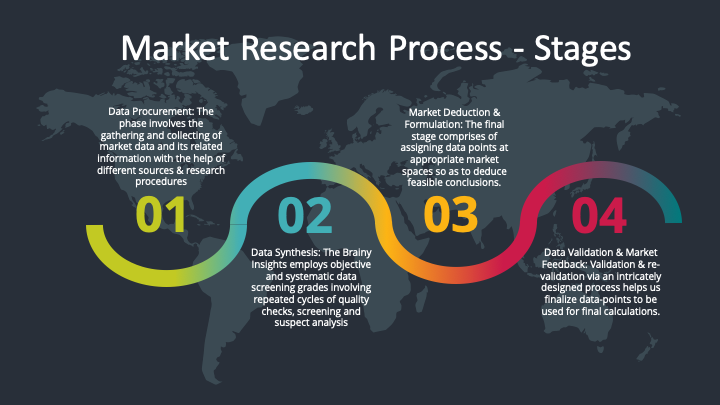
The phase involves the gathering and collecting of market data and its related information with the help of different sources & research procedures.
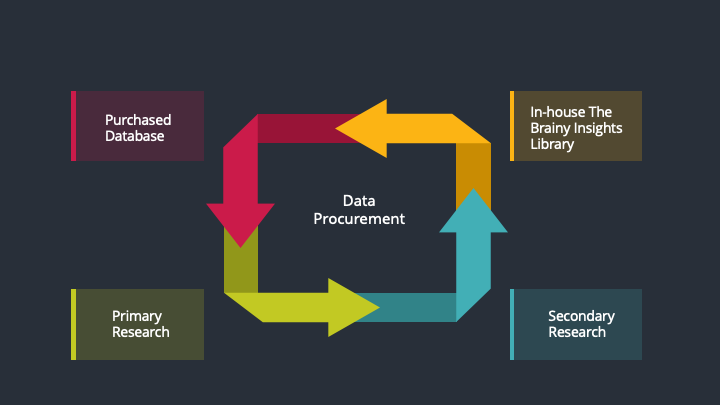
The data procurement stage involves in data gathering and collecting through various data sources.
This stage involves in extensive research. These data sources includes:
Purchased Database: Purchased databases play a crucial role in estimating the market sizes irrespective of the domain. Our purchased database includes:
Primary Research: The Brainy Insights interacts with leading companies and experts of the concerned domain to develop the analyst team’s market understanding and expertise. It improves and substantiates every single data presented in the market reports. Primary research mainly involves in telephonic interviews, E-mail interactions and face-to-face interviews with the raw material providers, manufacturers/producers, distributors, & independent consultants. The interviews that we conduct provides valuable data on market size and industry growth trends prevailing in the market. Our organization also conducts surveys with the various industry experts in order to gain overall insights of the industry/market. For instance, in healthcare industry we conduct surveys with the pharmacists, doctors, surgeons and nurses in order to gain insights and key information of a medical product/device/equipment which the customers are going to usage. Surveys are conducted in the form of questionnaire designed by our own analyst team. Surveys plays an important role in primary research because surveys helps us to identify the key target audiences of the market. Additionally, surveys helps to identify the key target audience engaged with the market. Our survey team conducts the survey by targeting the key audience, thus gaining insights from them. Based on the perspectives of the customers, this information is utilized to formulate market strategies. Moreover, market surveys helps us to understand the current competitive situation of the industry. To be precise, our survey process typically involve with the 360 analysis of the market. This analytical process begins by identifying the prospective customers for a product or service related to the market/industry to obtain data on how a product/service could fit into customers’ lives.
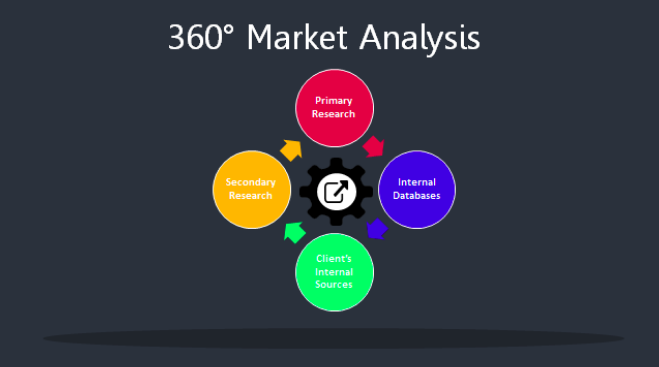
Secondary Research: The secondary data sources includes information published by the on-profit organizations such as World bank, WHO, company fillings, investor presentations, annual reports, national government documents, statistical databases, blogs, articles, white papers and others. From the annual report, we analyse a company’s revenue to understand the key segment and market share of that organization in a particular region. We analyse the company websites and adopt the product mapping technique which is important for deriving the segment revenue. In the product mapping method, we select and categorize the products offered by the companies catering to domain specific market, deduce the product revenue for each of the companies so as to get overall estimation of the market size. We also source data and analyses trends based on information received from supply side and demand side intermediaries in the value chain. The supply side denotes the data gathered from supplier, distributor, wholesaler and the demand side illustrates the data gathered from the end customers for respective market domain.
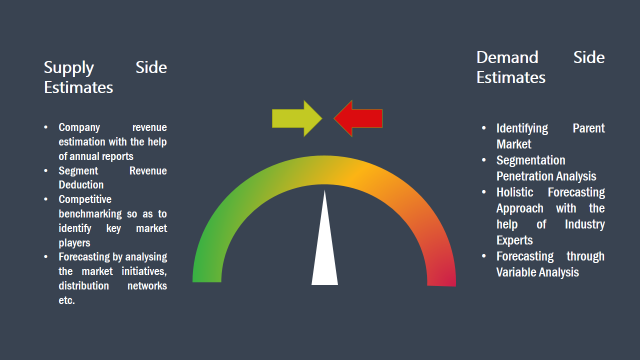
The supply side for a domain specific market is analysed by:
The demand side for the market is estimated through:
In-house Library: Apart from these third-party sources, we have our in-house library of qualitative and quantitative information. Our in-house database includes market data for various industry and domains. These data are updated on regular basis as per the changing market scenario. Our library includes, historic databases, internal audit reports and archives.
Sometimes there are instances where there is no metadata or raw data available for any domain specific market. For those cases, we use our expertise to forecast and estimate the market size in order to generate comprehensive data sets. Our analyst team adopt a robust research technique in order to produce the estimates:
Data Synthesis: This stage involves the analysis & mapping of all the information obtained from the previous step. It also involves in scrutinizing the data for any discrepancy observed while data gathering related to the market. The data is collected with consideration to the heterogeneity of sources. Robust scientific techniques are in place for synthesizing disparate data sets and provide the essential contextual information that can orient market strategies. The Brainy Insights has extensive experience in data synthesis where the data passes through various stages:
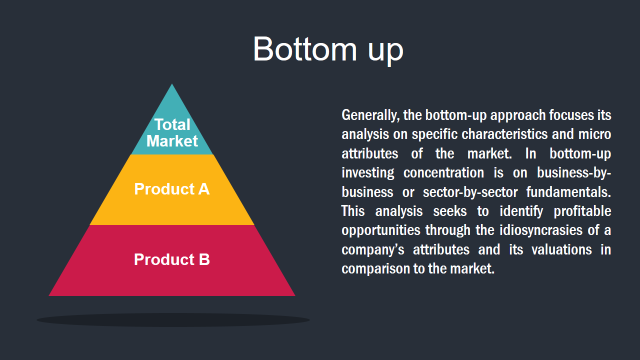
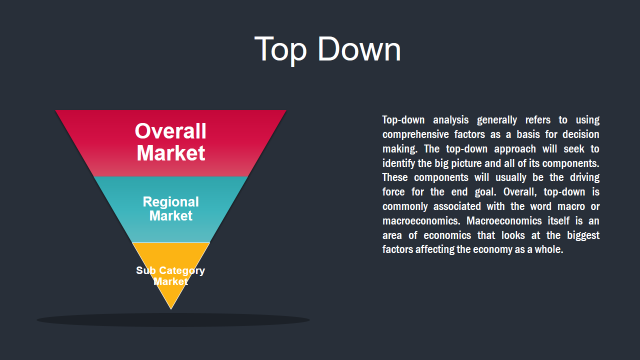
Market Deduction & Formulation: The final stage comprises of assigning data points at appropriate market spaces so as to deduce feasible conclusions. Analyst perspective & subject matter expert based holistic form of market sizing coupled with industry analysis also plays a crucial role in this stage.
This stage involves in finalization of the market size and numbers that we have collected from data integration step. With data interpolation, it is made sure that there is no gap in the market data. Successful trend analysis is done by our analysts using extrapolation techniques, which provide the best possible forecasts for the market.
Data Validation & Market Feedback: Validation is the most important step in the process. Validation & re-validation via an intricately designed process helps us finalize data-points to be used for final calculations.

The Brainy Insights interacts with leading companies and experts of the concerned domain to develop the analyst team’s market understanding and expertise. It improves and substantiates every single data presented in the market reports. The data validation interview and discussion panels are typically composed of the most experienced industry members. The participants include, however, are not limited to:
Moreover, we always validate our data and findings through primary respondents from all the major regions we are working on.



















































Free Customization
Fortune 500 Clients
Free Yearly Update On Purchase Of Multi/Corporate License
Companies Served Till Date