- +1-315-215-1633
- sales@thebrainyinsights.com

The global power distribution automation market was valued at USD 19 billion in 2024 and grew at a CAGR of 10% from 2025 to 2034. The market is expected to reach USD 49.28 billion by 2034. The increasing energy demands will drive the growth of the global power distribution automation market.
Conventionally, power distribution was done manually with faults, load balancing and switching being done manually. Nevertheless, due to the added complexity of the grid, the rising demand of reliability, and emphasis to include distributed energy resources (DERs), automation is required to be efficient, reliable, and real-time management of power distribution grid. In essence, power distribution automation comprises implementing of intelligent electronic devices (IEDs), sensors, actuators, automated switches and communication infrastructure throughout the distribution network. All of these elements allow collecting data in real-time, monitoring, and controlling electric parameters remotely. The brain of these systems is called advanced distribution management systems (ADMS) which processes the data received by field devices and sends commands to plan optimizing tasks: voltage control, fault isolation, restoration of services, and control over loads. Accompanied by these systems, the utilities are able to minimize the time involved in outages by increasing the speed of fault location, isolation, and service restoration (FLISR). Besides, the automation of power distribution strengthens the power grid, minimizes working costs, asset usage, and helps meet regulatory requirements. Development of smart grids has made automation of the distribution segment essential to provide functions of self-healing, predictive maintenance, and increased flexibility in grids operation. As urbanization continues, digitalization takes on more prominence and the move towards renewing energy sources to greener power generating sources it is likely that power distribution automation will be central in creating a smarter and greener electricity infrastructure.
Get an overview of this study by requesting a free sample
The increasing energy demands – the urgency to enhance the reliability of the grid and its efficiency of operations is driving the market’s growth. With the growth in complexity of power systems and customer demands to have an uninterrupted supply, utilities are increasingly becoming automated to reduce the number of downtimes by detection of fault promptly, isolating it and clearing it. Additionally, the rising distributed energy resource (DERs) integration, i.e., solar and wind is also driving the market’s demand. Furthermore, there has always been pressure on utilities to minimize costs of operation at the same time enhance service delivery. Automation is also one of the important aspects because it allows monitoring and control remotely, optimal use of assets, minimization of manual efforts, and improved productivity of workers. This trend is also supported by the growth of Advanced Metering Infrastructure (AMI), which allows careful monitoring of energy usage to make demand response programs and effective load management possible. Moreover, most utilities are based on old infrastructure that is not only uneconomical but also expensive. Instead of replacing systems to the full scale, firms are using automation technologies to renovate the present systems in parts step by step and with low expenditures. The present-day modernization does not only prolong the life of wearable resources but also increases the overall flexibility and responsiveness of the networks.
Financial, technical and operational limitations – the biggest obstacle is the large amount of investment as the first step in implementing automation technologies. The cost of setting up smart electronics devices, communication systems, control systems, and software platform is very high, and this may overburden the budgets of small or financially limited utilities. Also, a huge number of utilities have to deal with their legacy infrastructure that in most cases is incompatible with modern automation systems. Retrofitting or upgrading of such infrastructure is usually associated with complicated engineering, additional downtime and costs hence the transition may not only be hard technically but also economically. The next main weakness is inhouse technical expertise. The introduction and operation of modern automation systems presuppose the use of highly qualified specialists in the fields of electronic communication, data analysis, and online security. In most instances, the utilities have challenges on staffing and training them with the required skills, hence making the process of adopting to be difficult. The reluctance is also caused by risks of disruption of operations. In addition, the perceived return of investment (ROI) in automation could be low, especially in regions where the rate of outage or energy requirement is low or consistent. When the overall costs of automation seem high relative to the economic benefits that are marginal, the executive in charge of utility may not prioritize on automation.
Technological advancements – One of the most significant drivers is the increasing endorsement of the government policies and regulatory requirements to modernize the energy infrastructure, energy efficiency and carbon emissions reduction. Different national and regional policies, including those encouraging smart grid in North America, Europe and certain other regions in Asia, are encouraging the utilities to implement smart distribution automation technologies. Moreover, increase in demand of electricity across the globe, driven by the process of urbanization, industrialization and the electrification of transport, is exerting enormous pressure on the distribution network to become more responsive, resilient and scalable, which automation can and does directly aid in accomplishing. Changes in climate and concomitant rise in extreme weather events have further demonstrated the necessity of self-healing grids and resilient grid. The main benefits of automated systems are that the fault response and service restoration are quicker, which is important when minimizing the disruption caused by climate-related outages. Simultaneously, the overall digitalization drive in the business sphere boosted the adoption of such technologies as IoT, artificial intelligence, cloud computing, and big data analytics at the power industry. These technologies help to increase the rates of distribution automation systems, and lowers the implementation limitation, however, in developing economies. Besides, increasing investments in the private sector and advancement in technology are contributing a lot. Engagement of technology firms and start-ups is promoting blistering progress of automation hardware and software, making the markets more accessible and affordable.
The regions analyzed for the market include North America, Europe, South America, Asia Pacific, the Middle East, and Africa. Asia Pacific emerged as the most significant global power distribution automation market, with a 39% market revenue share in 2024.
The Asia-Pacific region exhibits a leading market share in the global power distribution market automation due to the high urbanisation rate, increased energy consumption and extensive grid modernisation projects being conducted by the governments. Industry leaders like China, India, Japan and South Korea have led this transition, by investing intensively in the creation of smart grid infrastructure to enhance reliability of power supply and to incorporate an increasing reliance on renewable energy resources. In the region, China specifically has ambitious goals of automation, digitalization, and integration of clean energy with robust regulation frameworks and an extensive public budget commitment. The utilities in the area that are state owned are proceeding to employ large scale substation upgrades, field intelligent devices as well as strengthening their communication networks for real-time control and monitoring. India is also coming out as a substantial player in the dominance of the region with the schemes such as the Integrated Power Development Scheme (IPDS), Smart Grid Mission moving the utilities towards smart automation. The geographical location, the high and diverse population density, the growth of industrial and commercial complexes and enterprises, which are located in the region, require the high reliability and the efficient working power distribution system which is the goal provided by the distribution automation. Asia Pacific market also has the advantage of some of the major global and regional providers of technologies thus widening the availability of high-end automation solutions.
Asia Pacific Region Power Distribution Automation Market Share in 2024 - 39%
www.thebrainyinsights.com
Check the geographical analysis of this market by requesting a free sample
The component segment is divided into field devices, software & services and communication technology. The field devices segment dominated the market, with a market share of around 37% in 2024. Field device enjoys a paradigm position in the global power distribution automation market considering that they are important to provide real-time monitoring, control and an automation facility of distribution networks. A few examples of the same are as follows: smart sensors, smart switches, remote fault indicators, smart voltage regulators, smart reclosers and smart circuit breakers; and they are attached directly to distribution lines, feeders, and substations. They constitute the physical part of automation system which serves as the main way of communication between the grid and centralized control systems. Through their capability of gathering real-time operation data, fault sensing, and automated switching actions they perform, utilities can also react very promptly to outages and minimize downtimes and grid stability without the manual involvement. The rising need to have a reliable and efficient power supply, particularly in locations near the urban region and industrial areas has led to a high adoption rate of the segment. These elements are necessary in achieving fault location, isolation and service restoration (FLISR) techniques that are critical in creation of self-healing grids. Field devices have also been given an improved capability through technological advances. Their use in most parts of the world in both developed and developing parts shows how essential they are in any power distribution automation plan. Field devices maintain their position as the market leader since they are pillars in achieving a smart, responsive power infrastructure, which is top of mind among utilities in terms of grid modernization and resiliency.
The utility type segment is divided into public utilities and private utilities. The public utilities segment dominated the market, with a market share of around 58% in 2024. These companies usually are government-run or owned and they take charge of getting power to the huge number of customers that are based in the cities and towns as well as in the industrial regions. They have large service areas with strategic significance to national economies and can be great targets of their automation efforts that can enhance grid reliability, operation sustainability, and effectiveness. The demand on public utilities to provide continuous power supply and resiliency of the system has led to heavy investment on automation solutions, remote monitoring systems, automated switches, and substation automation solutions. The accessibility of the funding and policy support of the government is one of the most significant factors behind their dominant position in the market. Numerous countries have initiated national smart grid and modernization initiatives with large-scale financial support, and funds usually go to public utilities. In other parts of the world such as Asia-Pacific and Europe, where energy platforms are developing quickly, the utility companies are at the forefront in automation implementation to satisfy the growing energy demand, integrating renewable power sources and fulfilling the high level of regulation compliance reports. Consequently, market share of public utilities has remained predominant in power distribution automation market, especially in nations where energy safety and grids modernization is a major agenda.
The application segment is divided into substation automation, feeder automation and consumer automation. The substation automation segment dominated the market, with a market share of around 46% in 2024. The substation automation plays a pivotal role in the growth of the global power distribution automation market because it basically automates processes to increase the grid reliability, operational control, and responsiveness in real-time. Substations perform the very significant role of being nodes in the distribution network where the transmission voltage is reduced to the distribution ready level. With automation of these substations, utilities can easily monitor and control the flow of power, quickly detect faults, as well as its response to grid disturbances, all of which is done without human interaction. By use of integration of intelligent electronic devices (IEDs), remote terminal units (RTUs), communication networks, and advanced software, the substation automation provides continuous data acquisition, monitoring of the status of equipment and real-time management. Automation of the substation is somewhat dominant due to the functions associated with the business area, which include minimizing outage, avoiding the breakdown of equipment, and maximizing the use of assets. Based on such automated systems, utilities can apply in advanced protection schemes, engage in remote diagnostics, automated switching and load management. In addition, regulatory compliance needs on grid modernization, as well as exigencies on energy security have led utilities to make substation automation one of their critical investment avenues. It is the core of larger projects of smart grids and tends to be the starting place of utilities trying to become fully automated distribution networks. As communication protocols, cybersecurity and analytics integration progressively mature, substation automation remains the most established and implemented segment of the power distribution automation environment.
The voltage level segment is divided into medium voltage, low voltage and high voltage. The medium voltage segment dominated the market, with a share of around 44% in 2024. Medium voltage, usually between 1 kV and 33 kV is used to carry power to industrial, commercial and residential localities supplied by substations. This segment is very fundamental in power distribution aimed at serving moderate distances with minimal losses thus it is significant in both urban infrastructure and rural infrastructure. The fact that the medium voltage networks are being widely deployed and are in a key place in the chain of power delivery makes them highly effective and low cost-wise when dealing with automation. The rise of medium voltage in distribution automation is mainly accounted by the necessity to enhance reliability, decrease outage time and effectively integrate distributed energy resources (DERs), i.e., rooftop solar and wind farms. Automated switches, fault indicators, fault isolators and associated linked reclosers have been increasingly installed on medium voltage networks making it possible to monitor, isolate faults and self-heal in real-time. These systems provide constant supply not only in densely populated places or industrial areas where even a temporary shut-down of power may lead to severe economic losses. In addition, utilities would like to start their automation projects at the medium voltage point as it strikes a balance between the operation and investment needs. With increasing needs of smart grid infrastructure, the role of automation of middle voltage networks becomes particular attention to the world of digital technologies and its lower prices. Being capable to increase the reliability of the system, integrate renewables as well as assist in load management, medium voltage is the kind of voltage segment that strongly claims to be the predominant one when it comes to power distribution automation.
| Attribute | Description |
|---|---|
| Market Size | Revenue (USD Billion) |
| Market size value in 2024 | USD 19 Billion |
| Market size value in 2034 | USD 49.28 Billion |
| CAGR (2025 to 2034) | 10% |
| Historical data | 2021-2023 |
| Base Year | 2024 |
| Forecast | 2025-2034 |
| Region | The regions analyzed for the market are Asia Pacific, Europe, South America, North America, and Middle East and Africa. Furthermore, the regions are further analyzed at the country level. |
| Segments | Component, Utility Type, Application and Voltage Level |
As per The Brainy Insights, the size of the global power distribution automation market was valued at USD 19 billion in 2024 to USD 49.28 billion by 2034.
Global power distribution automation market is growing at a CAGR of 10% during the forecast period 2025-2034.
The market's growth will be influenced by the increasing energy demands.
Financial, technical and operational limitations could hamper the market growth.
This study forecasts revenue at global, regional, and country levels from 2021 to 2034. The Brainy Insights has segmented the global power distribution automation market based on below mentioned segments:
Global Power Distribution Automation Market by Component:
Global Power Distribution Automation Market by Utility Type:
Global Power Distribution Automation Market by Application:
Global Power Distribution Automation Market by Voltage Level:
Global Power Distribution Automation Market by Region:
Research has its special purpose to undertake marketing efficiently. In this competitive scenario, businesses need information across all industry verticals; the information about customer wants, market demand, competition, industry trends, distribution channels etc. This information needs to be updated regularly because businesses operate in a dynamic environment. Our organization, The Brainy Insights incorporates scientific and systematic research procedures in order to get proper market insights and industry analysis for overall business success. The analysis consists of studying the market from a miniscule level wherein we implement statistical tools which helps us in examining the data with accuracy and precision.
Our research reports feature both; quantitative and qualitative aspects for any market. Qualitative information for any market research process are fundamental because they reveal the customer needs and wants, usage and consumption for any product/service related to a specific industry. This in turn aids the marketers/investors in knowing certain perceptions of the customers. Qualitative research can enlighten about the different product concepts and designs along with unique service offering that in turn, helps define marketing problems and generate opportunities. On the other hand, quantitative research engages with the data collection process through interviews, e-mail interactions, surveys and pilot studies. Quantitative aspects for the market research are useful to validate the hypotheses generated during qualitative research method, explore empirical patterns in the data with the help of statistical tools, and finally make the market estimations.
The Brainy Insights offers comprehensive research and analysis, based on a wide assortment of factual insights gained through interviews with CXOs and global experts and secondary data from reliable sources. Our analysts and industry specialist assume vital roles in building up statistical tools and analysis models, which are used to analyse the data and arrive at accurate insights with exceedingly informative research discoveries. The data provided by our organization have proven precious to a diverse range of companies, facilitating them to address issues such as determining which products/services are the most appealing, whether or not customers use the product in the manner anticipated, the purchasing intentions of the market and many others.
Our research methodology encompasses an idyllic combination of primary and secondary initiatives. Key phases involved in this process are listed below:
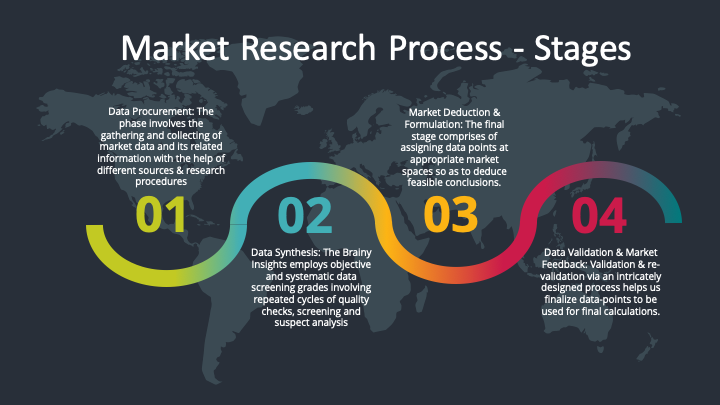
The phase involves the gathering and collecting of market data and its related information with the help of different sources & research procedures.
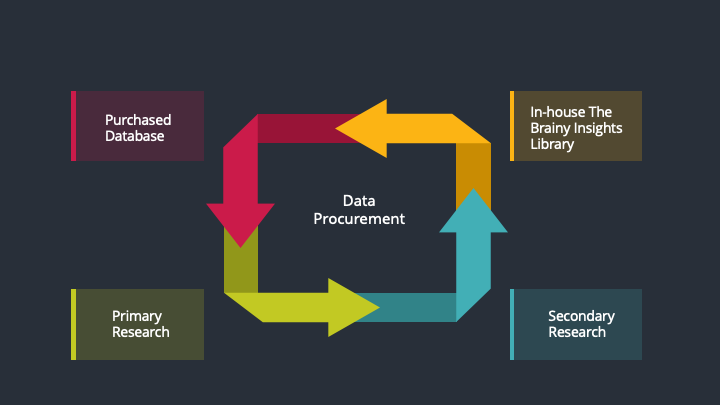
The data procurement stage involves in data gathering and collecting through various data sources.
This stage involves in extensive research. These data sources includes:
Purchased Database: Purchased databases play a crucial role in estimating the market sizes irrespective of the domain. Our purchased database includes:
Primary Research: The Brainy Insights interacts with leading companies and experts of the concerned domain to develop the analyst team’s market understanding and expertise. It improves and substantiates every single data presented in the market reports. Primary research mainly involves in telephonic interviews, E-mail interactions and face-to-face interviews with the raw material providers, manufacturers/producers, distributors, & independent consultants. The interviews that we conduct provides valuable data on market size and industry growth trends prevailing in the market. Our organization also conducts surveys with the various industry experts in order to gain overall insights of the industry/market. For instance, in healthcare industry we conduct surveys with the pharmacists, doctors, surgeons and nurses in order to gain insights and key information of a medical product/device/equipment which the customers are going to usage. Surveys are conducted in the form of questionnaire designed by our own analyst team. Surveys plays an important role in primary research because surveys helps us to identify the key target audiences of the market. Additionally, surveys helps to identify the key target audience engaged with the market. Our survey team conducts the survey by targeting the key audience, thus gaining insights from them. Based on the perspectives of the customers, this information is utilized to formulate market strategies. Moreover, market surveys helps us to understand the current competitive situation of the industry. To be precise, our survey process typically involve with the 360 analysis of the market. This analytical process begins by identifying the prospective customers for a product or service related to the market/industry to obtain data on how a product/service could fit into customers’ lives.
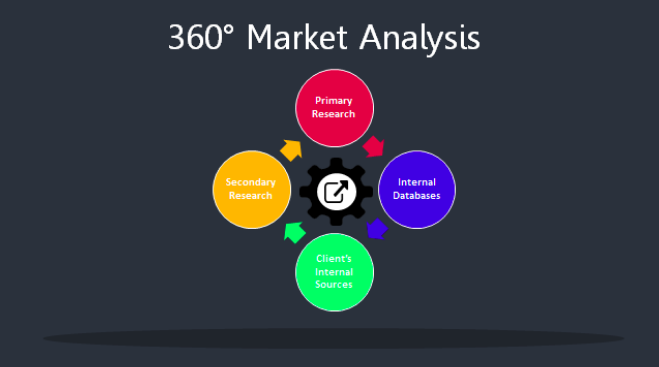
Secondary Research: The secondary data sources includes information published by the on-profit organizations such as World bank, WHO, company fillings, investor presentations, annual reports, national government documents, statistical databases, blogs, articles, white papers and others. From the annual report, we analyse a company’s revenue to understand the key segment and market share of that organization in a particular region. We analyse the company websites and adopt the product mapping technique which is important for deriving the segment revenue. In the product mapping method, we select and categorize the products offered by the companies catering to domain specific market, deduce the product revenue for each of the companies so as to get overall estimation of the market size. We also source data and analyses trends based on information received from supply side and demand side intermediaries in the value chain. The supply side denotes the data gathered from supplier, distributor, wholesaler and the demand side illustrates the data gathered from the end customers for respective market domain.
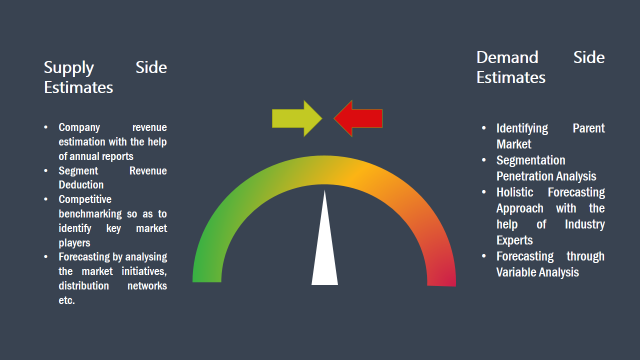
The supply side for a domain specific market is analysed by:
The demand side for the market is estimated through:
In-house Library: Apart from these third-party sources, we have our in-house library of qualitative and quantitative information. Our in-house database includes market data for various industry and domains. These data are updated on regular basis as per the changing market scenario. Our library includes, historic databases, internal audit reports and archives.
Sometimes there are instances where there is no metadata or raw data available for any domain specific market. For those cases, we use our expertise to forecast and estimate the market size in order to generate comprehensive data sets. Our analyst team adopt a robust research technique in order to produce the estimates:
Data Synthesis: This stage involves the analysis & mapping of all the information obtained from the previous step. It also involves in scrutinizing the data for any discrepancy observed while data gathering related to the market. The data is collected with consideration to the heterogeneity of sources. Robust scientific techniques are in place for synthesizing disparate data sets and provide the essential contextual information that can orient market strategies. The Brainy Insights has extensive experience in data synthesis where the data passes through various stages:
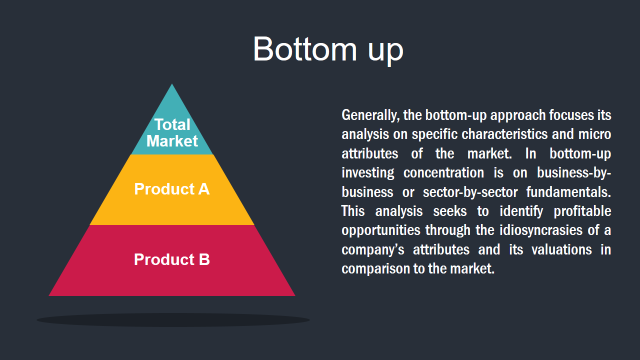
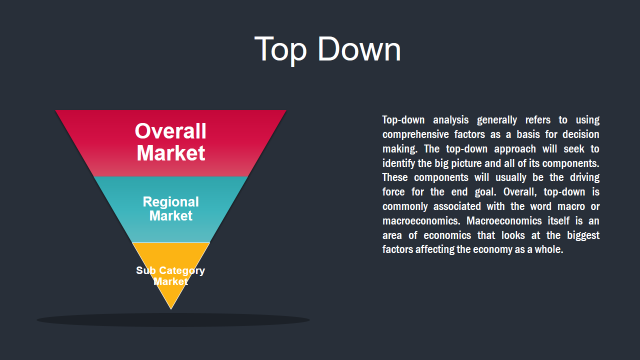
Market Deduction & Formulation: The final stage comprises of assigning data points at appropriate market spaces so as to deduce feasible conclusions. Analyst perspective & subject matter expert based holistic form of market sizing coupled with industry analysis also plays a crucial role in this stage.
This stage involves in finalization of the market size and numbers that we have collected from data integration step. With data interpolation, it is made sure that there is no gap in the market data. Successful trend analysis is done by our analysts using extrapolation techniques, which provide the best possible forecasts for the market.
Data Validation & Market Feedback: Validation is the most important step in the process. Validation & re-validation via an intricately designed process helps us finalize data-points to be used for final calculations.
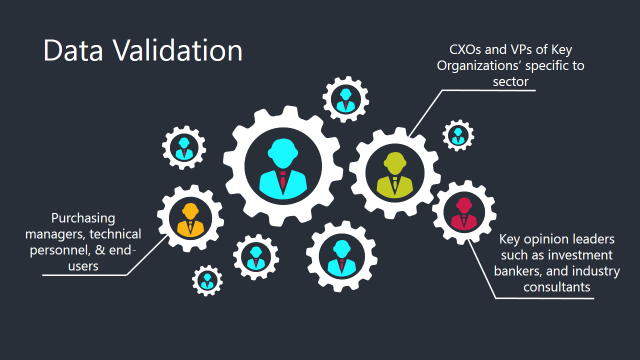
The Brainy Insights interacts with leading companies and experts of the concerned domain to develop the analyst team’s market understanding and expertise. It improves and substantiates every single data presented in the market reports. The data validation interview and discussion panels are typically composed of the most experienced industry members. The participants include, however, are not limited to:
Moreover, we always validate our data and findings through primary respondents from all the major regions we are working on.



















































Free Customization
Fortune 500 Clients
Free Yearly Update On Purchase Of Multi/Corporate License
Companies Served Till Date