- +1-315-215-1633
- sales@thebrainyinsights.com

The global cybersecurity in aerospace market was valued at USD 30 billion in 2024 and grew at a CAGR of 9% from 2025 to 2034. The market is expected to reach USD 71.02 billion by 2034. The rapid technological advancements will drive the growth of the global cybersecurity in aerospace market.
Aerospace cybersecurity is the security of the digital systems, networks, and information of aircraft and space system design, manufacture, operation, and maintenance. It is common knowledge that the more aerospace platforms are dependent on complex software, interconnection, and real-time data sharing of systems, the more they are susceptible to cyber threats. The targets of such threats may be the mobile navigation system of aircraft, satellite transmission systems, air traffic control systems, and the avionics fitting in the planes. An effective cyberattack in this area may result in data loss, workflow interruption, control over systems, and even malfunctions that would present a safety-related threat, and thus cybersecurity is a rather significant priority. In modern aerospace applications like commercial aircrafts, unmanned aerial vehicles (UAVs) and spacecrafts often use on board computers and even large communication networks. These elements provide possible attack entry on the part of the attacker who might be targeting system vulnerability points, infiltration of malicious code or access of sensitive information. The expanding convergence of Internet of Things (IoT) devices and cloud-based services further magnifies the number of attack vectors creating even greater interest in sound cybersecurity processes. The potential dangers against this are countered by aerospace organizations using multirange security solutions, which include threat detection, encryption, access controls, network segregation, and monitoring of the activities in real-time. Regulatory and compliance frameworks also influence cybersecurity in the field of aerospace. Along with that, the necessity to take proactive cybersecurity measures is more urgent now than before, seeing as the industry is going towards a digitalized form of aviation, as well as autonomous operations. Constant vulnerability checks, threat intelligence sharing, and new principles of cybersecurity-by-design are becoming the new norm.
Get an overview of this study by requesting a free sample
Rapid technological advancements – among the most prominent drivers is the digitalization of aerospace systems as the new generation of aircraft and spacecraft is equipped with an avionics system and high-velocity real-time analytics and interconnected onboard technologies. Such innovations enhance efficiency and safety of operations, as well as creating new security weaknesses that can be used by cybercriminals. Increasing the digital imprint of aerospace systems is the integration of Internet of Things (IoT) gadgets and cloud computing. IoT sensors in aircrafts are now used to carry out predictive maintenance and monitor performance in aircrafts; and to guard and manage sensitive data in the cloud-based platforms. In as much as these technologies have some benefits, they make systems susceptible to remote access hack and data leakage. Also, sensitive data security and intellectual property security is important in the aerospace since organizations deal with leading organizations in proprietary design protection, defence technology assaults and high-valued assignments. There should be a set of cybersecurity measures to protect this information against industrial espionage and leakages. Finally, the growing importance of safety, reliability, and regulatory compliance in the aerospace activity requires organizations to introduce cybersecurity in the heart of the system design and its maintenance. Secure software update and system resiliency as well as adherence to aviation cybersecurity standards have become the primary concern of that, so having strong in-house cybersecurity capabilities becomes one of the strategic priorities in the industry.
High costs of implementation – the prohibitive cost of implementation forms one of the greatest obstacles. IT security systems are costly to construct with impressive technologies, vigilance mechanisms, labour providers, and maintenance. These costs are prohibitive to many organizations particularly the smaller firms and the subcontractors. The other significant constraint is that of legacy systems. It may be that the software and hardware in the many aerospace platforms especially the old aircraft or infrastructure are out-dated, and they have never envisaged cybersecurity. The process of retrofitting these systems usually is complex, will be costlier, and can be a threat to other current operations. Another issue is the lack of any specialized cybersecurity talent. The gap between IT security know-how and aviation systems expertise necessary to provide cybersecurity in the aerospace industry is specialized and in limited supply and highly competitive. This has led to the poor ability of organizations to develop effective cybersecurity strengths internally. Also, resistance to change and the culture of risk-aversion in the industry hamper the implementation of new practices in cybersecurity.
Regulatory pressure – the increasing incidence of cyber threats and intelligent attacks against aerospace organizations that intend to disorient operations, steal confidential information, or destroy national security drive the need for robust cybersecurity measures. The threat actors are also more sophisticated in their operations and, as such, aerospace firms must keep advancing their cybersecurity standards to keep up. Additionally, increased complexity of the aerospace supply chain, which deals with many world-wide vendors, contractors, and service providers. Such interconnectedness causes possible weaknesses, since it might have a rampant impact when a section of the supply chain is breached. The second reason is the fact that governments and aviation organizations across the world have increased cybersecurity regulations. Cyber defence agencies like FAA, EASA, and national defence have also introduced their rigid security demands to both commercial and defence aerospace technology, forcing organizations to spend tens of millions to achieve that goal and build secure infrastructure. Also, geopolitical issues and national security issues have brought aerospace to the spotlight particularly on the defence-related projects. Countries are focusing on aerospace protection as an established part of their overall cybersecurity policy.
The regions analyzed for the market include North America, Europe, South America, Asia Pacific, the Middle East, and Africa. North America emerged as the most significant global cybersecurity in aerospace market, with a 37% market revenue share in 2024.
The high market share that North America holds in terms of the global cybersecurity in the aerospace market can be attributed to its well-developed aerospace and defence industry. Among the major aerospace and defence businesses, there are Boeing, Lockheed Martin, Northrop Grumman, Raytheon Technologies, and General Dynamics in the region, which are some of the most prominent in the world. The firms are instrumental in progressive research and investment in cybersecurity technologies that specifically work with complex applications of aerospace. America, especially, is among the countries that have the largest military expenditure since a substantial part is spent on cybersecurity programs to secure the national security resources of the country. The Department of Defence (DoD) and other government bodies have provided stricter than usual standards of cybersecurity which include the cybersecurity maturity model certification (CMMC) which are not only applicable in government activities but also to the private contractors within the aerospace supply chain. Such regulatory models have stepped up the pace with which high-tech security mechanisms across the industry have been adopted.
North America Region Cybersecurity in Aerospace Market Share in 2024 - 37%
www.thebrainyinsights.com
Check the geographical analysis of this market by requesting a free sample
The component segment is divided solutions and services. The solutions segment dominated the market, with a market share of around 38% in 2024. This overall impact of solutions leadership in the global cybersecurity in aerospace market is due to the short- and long-term necessity to secure critical systems, network and information throughout the industry. Such solutions of cybersecurity include extensively diverse tools, such as firewalls, intrusion detection and prevention systems (IDS/IPS), antivirus applications, data encryption, endpoint security, and identity and access management system. Such mechanisms are imperative in the protection of airborne and ground-based systems, especially with the fact that the aerospace industry is now more intertwined and digitized. The Aerospace systems depend on the exchange of data, in real-time, among the aircraft, the satellites, the control centres, and the maintenance hubs. The growth in connectivity puts more systems at risk of being cyberattacked, so it becomes imperative to deploy powerful protection systems before it is too late. Besides, the aerospace equipment is highly valued, and the nature of information entails a lot of sensitivity, including flight control systems, and national defence information, and data, which requires robust and active defence. Consequently, corporate enterprises are allocating bigger proportions of funds to advanced software and hardware tools that can interject real-time cyber threats through anticipation and preventing and reaction. Solutions must oftentimes pass regulatory standards and regulations when it comes to compliance, primarily in military and defence applications. The changing threat landscape, characterized by advanced cyberattacks and supply chain threats, also lends credence to the need to come up with holistic cybersecurity frameworks in which solutions become the initial line of defence. Solutions are the essence of the life of cybersecurity compared to services, which are often support-related and long-term. This is why they are now leading the aerospace cybersecurity market because their presence is critical in the development of safe operations environments.
The deployment mode segment is divided into on-premises and cloud-based. The om-premises segment dominated the market, with a market share of around 55% in 2024. The dominant market share of on-premises deployment in the global cybersecurity in aerospace market is mainly due to the importance of having a rigid control of data, system integrity, and certainty of security above all, in the specific operation of the industrial sector like in defining the national security and defence. On-premises solutions enable organizations to have the cybersecurity infrastructure physically in their facility which provides organizations full control of their data and security settings. Such control is paramount in the aerospace industry due to the importance of security in any mission-critical system, proprietary technologies and even classified information. Such responsive organizations as military and defence groups, which form a big chunk of the aerospace cybersecurity market, are especially dependent on on-premises deployments. The systems also tend to reside in remote or closed environments where cloud-based solutions can be a security and compliance issue. Also, a significant amount of aerospace platforms (legacy aircraft system, secure ground station, or satellite operations) are not necessarily suited to cloud infrastructure or necessitate offline capabilities, thereby making on-premises solutions more practical. Regulatory compliance is another determinant of this dominance. The cybersecurity regulations and requirements governing Aerospace organizations are critical and there is limited access and grouping of data in most cases to maintain security measures and sometimes due to sensitivity of government or military involved data. On-prem easier to cater to these requirements to minimize the role of third-party service providers.
The application segment is divided into military & defence, commercial aviation, space systems and UAVs (unmanned aerial vehicles). The military & defence segment dominated the market, with a market share of around 58% in 2024. The prominent position of the military and defence section of the global cybersecurity in aerospace market is dictated by the high priority given to the outcomes of the security of the country and its strategic infrastructure. Fighter jets, surveillance aircraft, satellites, and missile systems are just but a few forms of aerospace platforms utilized in the defence that have been found to be very sensitive and prone to complex cyber-attacks like spying, sabotaging, and electronic warfare. With the continued dependence on robust software and real-time communication networks, and automated control systems, there are chances of cyberattack with these servers that have steeply increased, necessitating high-level investment in cybersecurity by defence agencies all over the globe. The governments consider the importance of aerospace cybersecurity not only as the IT process but as the essence of the national defence. Military aerospace systems are potential targets of cyberattacks, which may pose a threat to classified information disclosure, penetrate command and control systems, or even unavoidably leave them unable to perform vital defence functions. In response to these threats, the military institutions invest huge budgets in cybersecurity systems, the upgrading of infrastructure, and training people on specific practices. Investment in this area is much greater than commercial aviation or exploration of space and so the military and the defence industry have an undisputed lead in the market share.
| Attribute | Description |
|---|---|
| Market Size | Revenue (USD Billion) |
| Market size value in 2024 | USD 30 Billion |
| Market size value in 2034 | USD 71.02 Billion |
| CAGR (2025 to 2034) | 9% |
| Historical data | 2021-2023 |
| Base Year | 2024 |
| Forecast | 2025-2034 |
| Region | The regions analyzed for the market are Asia Pacific, Europe, South America, North America, and Middle East and Africa. Furthermore, the regions are further analyzed at the country level. |
| Segments | Component, Deployment Mode and Application |
As per The Brainy Insights, the size of the global cybersecurity in aerospace market was valued at USD 30 billion in 2024 to USD 71.02 billion by 2034.
Global cybersecurity in aerospace market is growing at a CAGR of 9% during the forecast period 2025-2034.
The market's growth will be influenced by rapid technological advancements.
High costs of implementation could hamper the market growth.
This study forecasts revenue at global, regional, and country levels from 2021 to 2034. The Brainy Insights has segmented the global cybersecurity in aerospace market based on below mentioned segments:
Global Cybersecurity in Aerospace Market by Component:
Global Cybersecurity in Aerospace Market by Deployment Mode:
Global Cybersecurity in Aerospace Market by Application:
Global Cybersecurity in Aerospace Market by Region:
Research has its special purpose to undertake marketing efficiently. In this competitive scenario, businesses need information across all industry verticals; the information about customer wants, market demand, competition, industry trends, distribution channels etc. This information needs to be updated regularly because businesses operate in a dynamic environment. Our organization, The Brainy Insights incorporates scientific and systematic research procedures in order to get proper market insights and industry analysis for overall business success. The analysis consists of studying the market from a miniscule level wherein we implement statistical tools which helps us in examining the data with accuracy and precision.
Our research reports feature both; quantitative and qualitative aspects for any market. Qualitative information for any market research process are fundamental because they reveal the customer needs and wants, usage and consumption for any product/service related to a specific industry. This in turn aids the marketers/investors in knowing certain perceptions of the customers. Qualitative research can enlighten about the different product concepts and designs along with unique service offering that in turn, helps define marketing problems and generate opportunities. On the other hand, quantitative research engages with the data collection process through interviews, e-mail interactions, surveys and pilot studies. Quantitative aspects for the market research are useful to validate the hypotheses generated during qualitative research method, explore empirical patterns in the data with the help of statistical tools, and finally make the market estimations.
The Brainy Insights offers comprehensive research and analysis, based on a wide assortment of factual insights gained through interviews with CXOs and global experts and secondary data from reliable sources. Our analysts and industry specialist assume vital roles in building up statistical tools and analysis models, which are used to analyse the data and arrive at accurate insights with exceedingly informative research discoveries. The data provided by our organization have proven precious to a diverse range of companies, facilitating them to address issues such as determining which products/services are the most appealing, whether or not customers use the product in the manner anticipated, the purchasing intentions of the market and many others.
Our research methodology encompasses an idyllic combination of primary and secondary initiatives. Key phases involved in this process are listed below:
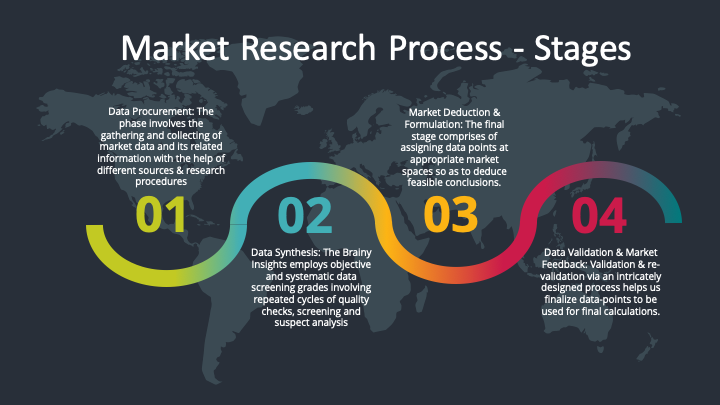
The phase involves the gathering and collecting of market data and its related information with the help of different sources & research procedures.
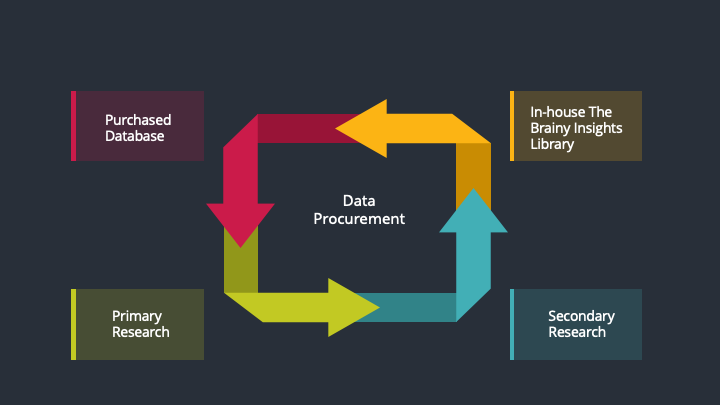
The data procurement stage involves in data gathering and collecting through various data sources.
This stage involves in extensive research. These data sources includes:
Purchased Database: Purchased databases play a crucial role in estimating the market sizes irrespective of the domain. Our purchased database includes:
Primary Research: The Brainy Insights interacts with leading companies and experts of the concerned domain to develop the analyst team’s market understanding and expertise. It improves and substantiates every single data presented in the market reports. Primary research mainly involves in telephonic interviews, E-mail interactions and face-to-face interviews with the raw material providers, manufacturers/producers, distributors, & independent consultants. The interviews that we conduct provides valuable data on market size and industry growth trends prevailing in the market. Our organization also conducts surveys with the various industry experts in order to gain overall insights of the industry/market. For instance, in healthcare industry we conduct surveys with the pharmacists, doctors, surgeons and nurses in order to gain insights and key information of a medical product/device/equipment which the customers are going to usage. Surveys are conducted in the form of questionnaire designed by our own analyst team. Surveys plays an important role in primary research because surveys helps us to identify the key target audiences of the market. Additionally, surveys helps to identify the key target audience engaged with the market. Our survey team conducts the survey by targeting the key audience, thus gaining insights from them. Based on the perspectives of the customers, this information is utilized to formulate market strategies. Moreover, market surveys helps us to understand the current competitive situation of the industry. To be precise, our survey process typically involve with the 360 analysis of the market. This analytical process begins by identifying the prospective customers for a product or service related to the market/industry to obtain data on how a product/service could fit into customers’ lives.
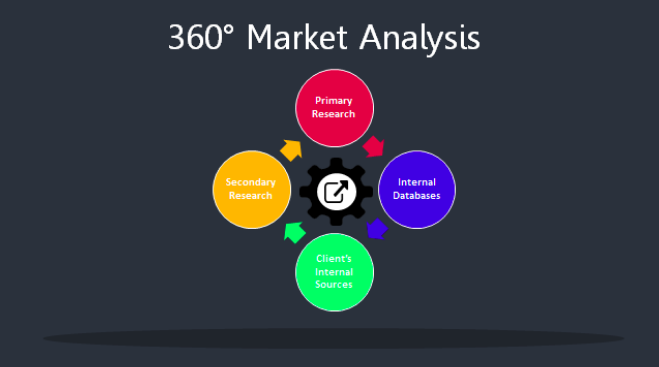
Secondary Research: The secondary data sources includes information published by the on-profit organizations such as World bank, WHO, company fillings, investor presentations, annual reports, national government documents, statistical databases, blogs, articles, white papers and others. From the annual report, we analyse a company’s revenue to understand the key segment and market share of that organization in a particular region. We analyse the company websites and adopt the product mapping technique which is important for deriving the segment revenue. In the product mapping method, we select and categorize the products offered by the companies catering to domain specific market, deduce the product revenue for each of the companies so as to get overall estimation of the market size. We also source data and analyses trends based on information received from supply side and demand side intermediaries in the value chain. The supply side denotes the data gathered from supplier, distributor, wholesaler and the demand side illustrates the data gathered from the end customers for respective market domain.
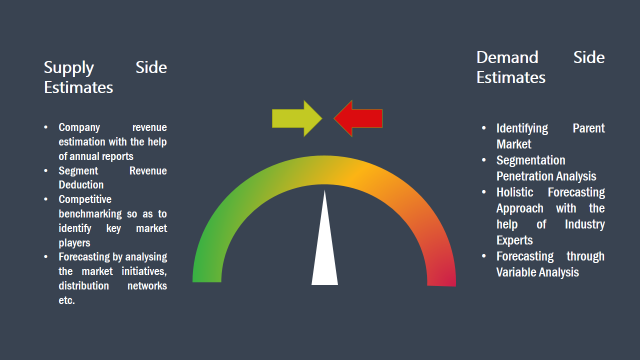
The supply side for a domain specific market is analysed by:
The demand side for the market is estimated through:
In-house Library: Apart from these third-party sources, we have our in-house library of qualitative and quantitative information. Our in-house database includes market data for various industry and domains. These data are updated on regular basis as per the changing market scenario. Our library includes, historic databases, internal audit reports and archives.
Sometimes there are instances where there is no metadata or raw data available for any domain specific market. For those cases, we use our expertise to forecast and estimate the market size in order to generate comprehensive data sets. Our analyst team adopt a robust research technique in order to produce the estimates:
Data Synthesis: This stage involves the analysis & mapping of all the information obtained from the previous step. It also involves in scrutinizing the data for any discrepancy observed while data gathering related to the market. The data is collected with consideration to the heterogeneity of sources. Robust scientific techniques are in place for synthesizing disparate data sets and provide the essential contextual information that can orient market strategies. The Brainy Insights has extensive experience in data synthesis where the data passes through various stages:
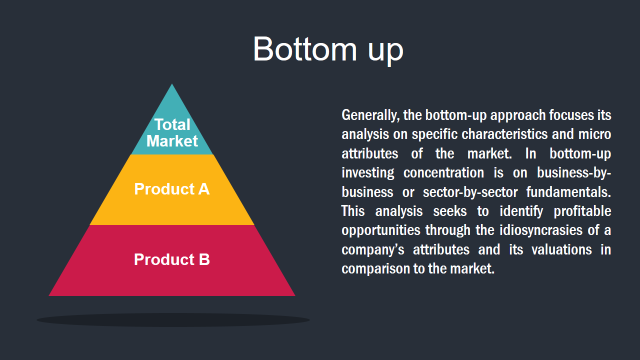
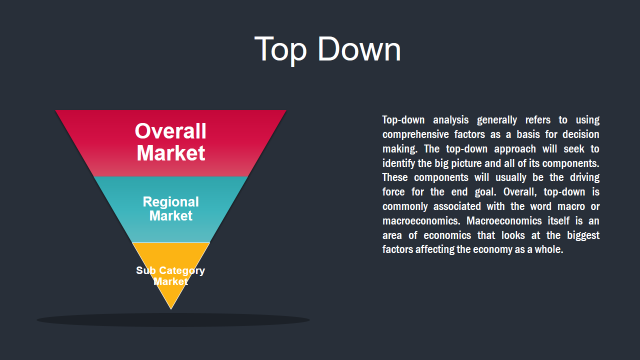
Market Deduction & Formulation: The final stage comprises of assigning data points at appropriate market spaces so as to deduce feasible conclusions. Analyst perspective & subject matter expert based holistic form of market sizing coupled with industry analysis also plays a crucial role in this stage.
This stage involves in finalization of the market size and numbers that we have collected from data integration step. With data interpolation, it is made sure that there is no gap in the market data. Successful trend analysis is done by our analysts using extrapolation techniques, which provide the best possible forecasts for the market.
Data Validation & Market Feedback: Validation is the most important step in the process. Validation & re-validation via an intricately designed process helps us finalize data-points to be used for final calculations.
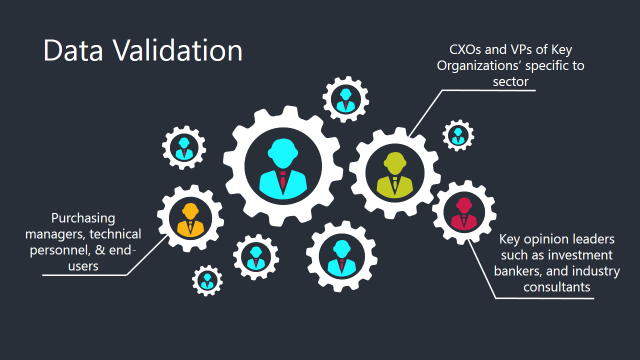
The Brainy Insights interacts with leading companies and experts of the concerned domain to develop the analyst team’s market understanding and expertise. It improves and substantiates every single data presented in the market reports. The data validation interview and discussion panels are typically composed of the most experienced industry members. The participants include, however, are not limited to:
Moreover, we always validate our data and findings through primary respondents from all the major regions we are working on.



















































Free Customization
Fortune 500 Clients
Free Yearly Update On Purchase Of Multi/Corporate License
Companies Served Till Date