- +1-315-215-1633
- sales@thebrainyinsights.com

The global adaptogenic beverages market was valued at USD 2.66 billion in 2024 and grew at a CAGR of 6% from 2025 to 2034. The market is expected to reach USD 4.76 billion by 2034. The increasing health awareness will drive the growth of the global adaptogenic beverages market.
A beverage in which functional adaptogens are added is called an adaptogenic beverage. Adaptogens are natural substances, usually herbs, roots and mushrooms, which help the body resist and adapt to physical, emotional, and environmental stress. With the roots deep in Ayurvedic and traditional Chinese medicine, adaptogens such as ashwagandha, holy basil (tulsi), rhodiola rosea, ginseng, maca, reishi or mane mushroom, are finding their way into ready-to-sip forms, as teas, tonics, sparkling drinks, lattes, and even energy shots. Such drinks are not just meant to replenish the body with some hydrating water but also to deliver holistic wellness with some of the benefits being stress reduction, enhanced concentration, immune system support, energy and hormone balance. The increased success of adaptogenic beverages is strongly linked to the global movement towards preventive health, mental well-being and clean-label products. With consumers increasingly being educated on the negative impacts of chronic stress and burnout, nutraceuticals as alternatives to pharmaceutical solutions that could bolster healthy longevity and mental clarity are in increasing demand. As opposed to regular energy drinks or caffeine booster, adaptogenic drinks could be more gradual and longer-lasting, since they address the adrenal system of the body and nor-adrenaline cortisol levels, instead of producing jitteriness and crashes. Market has reacted with an outpour of new adaptogenic beverage brands with traditional and modern flavours. The products are usually in line with the vegan, gluten-free, and non-GMO products, which also makes them attractive to the health-conscious millennials and Gen Z customers. The results of scientifically proving the efficacy of adaptogens are not finalized yet, but numerous investigations published a long time ago and centuries of use prove their benefits.
Get an overview of this study by requesting a free sample
The rising awareness about adaptogenic beverages – the rising interest in adaptogenic beverages is highly affected by a number of factors related to the growing health-consciousness of consumers. The main driver is the great value that these drinks have, natural relaxation, increased mental acuity, immunity and hormone balance. Compared to the usual caffeinated or sugar-filled table drinks, adaptogenic beverages are prepared using herbs, roots and mushrooms such as ashwagandha, tulsi, reishi and maca that are known to help the body in managing stress. The other major internal driver is the consumption of clean-label, plant-based, and lightly processed ingredients. The majority of adaptogenic beverages are sold as organic, vegan, gluten-free and non-GMO- prepare type of characteristics that most millennials and Gen Z customers look for in contemporary products.
High costs of adaptogenic beverages – the use of premium components, small-scale production, and special branding lead to increase in retail prices of adaptogenic beverages which limits the market’s growth. This makes adaptogenic drinks a luxury wellness drink, therefore it cannot be afforded by mass-market consumers due to their price point. Also, there are problems of taste and palatability since most of the adaptogens, like ashwagandha, rhodiola, or reishi mushrooms, are earthy, bitter, or otherwise medicinal in taste, and not in line with mainstream tastes. Though the brand tries to camouflage these flavours by either adding natural sweeteners or other mixtures, it is not easy to get the balance between a healthy and tasty drink. The other significant limitation is a lack of standardization and clarity of dosage. There is doubt concerning the effectiveness of various products since many of them are not specific about adaptogen concentration, neither do they mention clinically proven doses. This has diluted consumer confidence particularly with first-time buyers who are not conversant with adaptogens. On the same note, the lack of product awareness and differentiation is also a roadblock since most consumers either possess little information about adaptogens or mix it up with ordinary herbal or functional beverages.
Changing health and wellness trends – the rising cases of stress, anxiety and burnout primarily in the urban residents along with working professionals is increasing the demand for adaptogenic beverages which are known to reduce stress levels and induce relaxation. After the COVID-19 pandemic, mental health issues became even more severe, and consumers resort to natural non-medical remedies to manage their emotional well-being and stability. Adaptogenic drinks with anti-stress and relaxing effects are the perfect solution to this emerging trend. Additionally, the consumers are increasingly taking charge of their health care by demanding daily routines and products to enhance immunity and focus, energy and general well-being. Besides, the growing functional beverage market, which is expected to rise steadily in the following years, offers a favourable condition within which adaptogenic products could flourish. It is impossible to ignore the role of the social media and influencer marketing. Healthy lifestyles, people on social media, such as Instagram, TikTok, and YouTube, who have become significant marketers of these adaptogens and educated consumer groups about the properties of adaptogens have contribute to the market’s growth. This has facilitated its fast uptake especially among the younger sectors. Moreover, greater availability i.e. by having health food stores, specialty cafes and e-commerce has increased reach and exposure.
The regions analyzed for the market include North America, Europe, South America, Asia Pacific, the Middle East, and Africa. North America emerged as the most significant global adaptogenic beverages market, with a 37% market revenue share in 2024.
The North American region is the dominant shareholder in the global adaptogenic beverages as consumer awareness in the region is exceptionally high. The overall movement towards preventative health/lifestyle has been a favourable towards the regional market’s growth especially with the younger generations, millennials, and Gen Z, as they are the most active consumers of wellness content and seek out those foods/products with functional ingredients. The leadership of North America is also proven by the existence of a great number of innovative brands and startups that deal with adaptogenic drinks. The advantage that these companies have is the existence of well-developed supply chains, the lack of regulation of dietary supplements and herbal products as well as the presence of a successful direct-to-consumer (D2C) e-commerce ecosystem. Also, the area is well connected with health food shops, gourmet cafes, and design-lifestyle retailer stores to enhance offline presence and reputation. Influencer and marketing culture should also be mentioned among the factors that influence consumer behaviour in North America. The social media industry, including Instagram, TikTok, as well as YouTube, have increased awareness and normalized the use of adaptogenic beverages as daily self-care rituals. More so, stress, anxiety, and burnout levels are growing among North Americans thereby fuelling the need of natural anti-stress agents. All these make North America the biggest and most powerful market of adaptogenic beverages.
North America Region Adaptogenic Beverages Market Share in 2024 - 37%
www.thebrainyinsights.com
Check the geographical analysis of this market by requesting a free sample
The product type segment is divided into by teas, juices, sparkling drinks, coffee blends, wellness shots and others. The teas segment dominated the market, with a market share of around 42% in 2024. When it comes to the market of adaptogenic beverages, teas take a leading role because they are well-established and accepted in every culture worldwide. They have a huge variety. Formulations of adaptogenic teas prepared with herbs have emerged as a popular remedy for stress relief, better sleep, or developing a greater focus without medical intervention. The herbal and green teas already enjoy great popularity around the world, so incorporating adaptogens into tea-based drinks has become a relatively straightforward undertaking due to which it is not such a challenge for brands to sell such products without having to educate their consumers so extensively. The popularity of the teas is also motivated by the fact that they are convenient and flexible due to the choices provided such as hot brews, iced teas, ready-to-drink bottled beverages, or even in the form of powdered instant ones. Also, teas are healthier than other forms of adaptogens such as energy shots or sparkling drinks, making them attractive to health-conscious consumers who prefer minimum processing and as few additives as the production process can deliver. Product development wise, the teas also enable a wide range of new flavours to explore where twee brands can infuse the adaptogens with floral, fruity or spicy flavours to either heighten the flavour or add value through their functionality. The increasing popularity of caffeine-free or low-caffeine drinks has made the market of adaptogenic teas even more solid.
The source segment is divided into herbs, mushrooms and roots. The herbs segment dominated the market, with a market share of around 57% in 2024. Common adaptive herbs include ashwagandha, tulsi (or holy basil), rhodiola, licorice root, and ginseng which are known to support the body in response to stress, enhance stamina, and enhance general health. These herbs also have a long cultural history and would be more known to consumers than less familiar adaptogenic mushrooms or roots, which will greatly accelerate their adoption in popular wellness drinks. The control of the herbs has also been linked to the fact that they can be formulated in a variety of manners. They go with teas, tonics, juices even in sparkling beverages without dominating over the taste of these beverages like some mushrooms which possess strong earthiness or bitter tastes. This enables manufacturers to be innovative in the flavour profile, and provide functional benefits, which makes herbal adaptogens suitable to both traditional and contemporary formats of beverages. Also, herbal adaptogens have the upper hand where it comes to safety and efficacy perceptions. The noble history of use, stories, and even new research give a bit of credibility to herbal adaptogens as safe, plant-based approaches to both stress and fatigue, as well as mental enhancement. They are also more abundantly producing and growing in different regions, this ensures that there is enhanced accessibility of supply chain and cost-effectiveness. Additionally, herbal adaptogens can be marketed with ease, as it is already accepted by many countries and consumers are aware of their existence.
The function segment is divided into stress & anxiety relief, energy & stamina, immunity boost, cognitive support, hormonal balance and sleep aid. The stress & anxiety relief segment dominated the market, with a market share of around 38% in 2024. The stress and anxiety relief segment have become the most dominant functional category of the adaptogenic beverages market as an influence of growing concerns about mental health, stress, and lifestyle-induced pressure, and the shift toward natural and preventive wellness approaches. The current hyper-connected, high paced society has created a scenario where people of all age groups, especially those in the youth (working professionals, students and those in cities and towns) are living with a high rate of stress, burnout, and emotional exhaustion. The pandemic of COVID-19 has worsened these concerns even more, putting mental wellness on the top of consumer health concerns. It is known that adaptogenic beverages can stabilize the level of cortisol, stabilize the mood, and increase the body’s resistance to stress. There are no side effects and possible dependency by drinking adaptogenic beverages and unlike pharmaceutical alternatives, the drinks provide a non-invasive yet natural way to combat stressor effects on daily life. These products can be marketed by brands through easily understandable, emotionally evocative statements like, calm, unwind, relax, or restore and hence are easy to position. Moreover, the stress-relief drinks are convenient to introduce into one- or another-person routine, as people are likely to start their day with stress-relief drink or apply it in the process of decompressing in the evening.
The distribution channel segment is divided into online retail, supermarkets/hypermarkets, specialty health stores and cafés and wellness centres. The online retail segment dominated the market, with a share of around 43% in 2024. The market of adaptogenic beverages has mainly been dominated by online retailing because of its rich coverage, convenient delivery and the capacity to service a clientele, which is technologically advanced and well-informed of the health benefits of adaptogenic beverage products. Being traditionally viewed as niche, or rather premium wellness products, adaptogenic drinks are the perfect niche items to promote in online platforms since they can allow focused discovery, brand storytelling, and education, which remain keys to consumer trust and purchases made on sufficient knowledge. The diversity and depth of what one can get are one more of the greatest benefits of online retailing. A huge assortment of adaptogenic beverage formats such as teas, tonics, bubbly and lattes and more at multiple price points and brands are now available to consumers, which is not always possible to do in the physical store where shelf space is limited. An emergence of direct-to-consumer (D2C) models has helped niche brands to develop loyal following by relying on personalized marketing, subscriptions and influencer partnerships. In addition, digital marketing, social media, and wellness influencers have remained central in making the adaptogenic beverages famous and many times connect with the purchase platforms such as the brands websites, health-based marketplace and so on. Besides that, the COVID-19 pandemic contributed to the acceleration of preferred online health and wellness shopping and thus strengthened the habit even in the post-pandemic period.
Report Description
| Attribute | Description |
|---|---|
| Market Size | Revenue (USD Billion) |
| Market size value in 2024 | USD 2.66 Billion |
| Market size value in 2034 | USD 4.76 Billion |
| CAGR (2025 to 2034) | 6% |
| Historical data | 2021-2023 |
| Base Year | 2024 |
| Forecast | 2025-2034 |
| Region | The regions analyzed for the market are Asia Pacific, Europe, South America, North America, and Middle East and Africa. Furthermore, the regions are further analyzed at the country level. |
| Segments | Product Type, Source, Function and Distribution Channel |
As per The Brainy Insights, the size of the global adaptogenic beverages market was valued at USD 2.66 billion in 2024 to USD 4.76 billion by 2034.
Global adaptogenic beverages market is growing at a CAGR of 6% during the forecast period 2025-2034.
The market's growth will be influenced by the rising awareness about adaptogenic beverages.
High costs of adaptogenic beverages could hamper the market growth.
This study forecasts revenue at global, regional, and country levels from 2021 to 2034. The Brainy Insights has segmented the global adaptogenic beverages market based on below mentioned segments:
Global Adaptogenic Beverages Market by Product Type:
Global Adaptogenic Beverages Market by Source:
Global Adaptogenic Beverages Market by Function:
Global Adaptogenic Beverages Market by Distribution Channel:
Global Adaptogenic Beverages Market by Region:
Research has its special purpose to undertake marketing efficiently. In this competitive scenario, businesses need information across all industry verticals; the information about customer wants, market demand, competition, industry trends, distribution channels etc. This information needs to be updated regularly because businesses operate in a dynamic environment. Our organization, The Brainy Insights incorporates scientific and systematic research procedures in order to get proper market insights and industry analysis for overall business success. The analysis consists of studying the market from a miniscule level wherein we implement statistical tools which helps us in examining the data with accuracy and precision.
Our research reports feature both; quantitative and qualitative aspects for any market. Qualitative information for any market research process are fundamental because they reveal the customer needs and wants, usage and consumption for any product/service related to a specific industry. This in turn aids the marketers/investors in knowing certain perceptions of the customers. Qualitative research can enlighten about the different product concepts and designs along with unique service offering that in turn, helps define marketing problems and generate opportunities. On the other hand, quantitative research engages with the data collection process through interviews, e-mail interactions, surveys and pilot studies. Quantitative aspects for the market research are useful to validate the hypotheses generated during qualitative research method, explore empirical patterns in the data with the help of statistical tools, and finally make the market estimations.
The Brainy Insights offers comprehensive research and analysis, based on a wide assortment of factual insights gained through interviews with CXOs and global experts and secondary data from reliable sources. Our analysts and industry specialist assume vital roles in building up statistical tools and analysis models, which are used to analyse the data and arrive at accurate insights with exceedingly informative research discoveries. The data provided by our organization have proven precious to a diverse range of companies, facilitating them to address issues such as determining which products/services are the most appealing, whether or not customers use the product in the manner anticipated, the purchasing intentions of the market and many others.
Our research methodology encompasses an idyllic combination of primary and secondary initiatives. Key phases involved in this process are listed below:
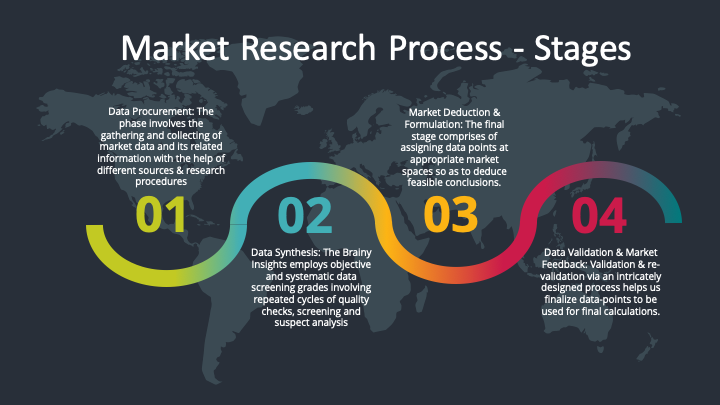
The phase involves the gathering and collecting of market data and its related information with the help of different sources & research procedures.
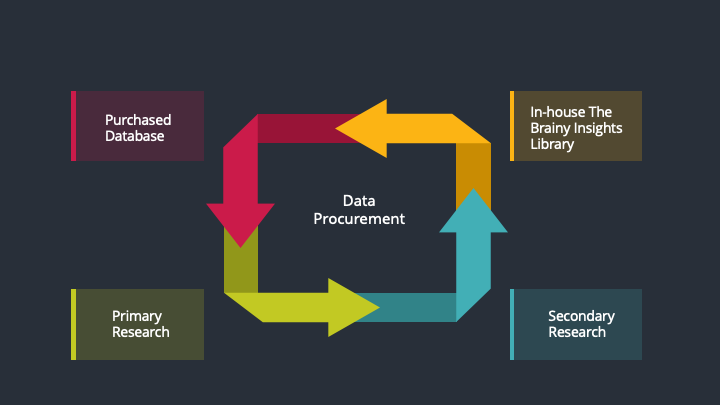
The data procurement stage involves in data gathering and collecting through various data sources.
This stage involves in extensive research. These data sources includes:
Purchased Database: Purchased databases play a crucial role in estimating the market sizes irrespective of the domain. Our purchased database includes:
Primary Research: The Brainy Insights interacts with leading companies and experts of the concerned domain to develop the analyst team’s market understanding and expertise. It improves and substantiates every single data presented in the market reports. Primary research mainly involves in telephonic interviews, E-mail interactions and face-to-face interviews with the raw material providers, manufacturers/producers, distributors, & independent consultants. The interviews that we conduct provides valuable data on market size and industry growth trends prevailing in the market. Our organization also conducts surveys with the various industry experts in order to gain overall insights of the industry/market. For instance, in healthcare industry we conduct surveys with the pharmacists, doctors, surgeons and nurses in order to gain insights and key information of a medical product/device/equipment which the customers are going to usage. Surveys are conducted in the form of questionnaire designed by our own analyst team. Surveys plays an important role in primary research because surveys helps us to identify the key target audiences of the market. Additionally, surveys helps to identify the key target audience engaged with the market. Our survey team conducts the survey by targeting the key audience, thus gaining insights from them. Based on the perspectives of the customers, this information is utilized to formulate market strategies. Moreover, market surveys helps us to understand the current competitive situation of the industry. To be precise, our survey process typically involve with the 360 analysis of the market. This analytical process begins by identifying the prospective customers for a product or service related to the market/industry to obtain data on how a product/service could fit into customers’ lives.
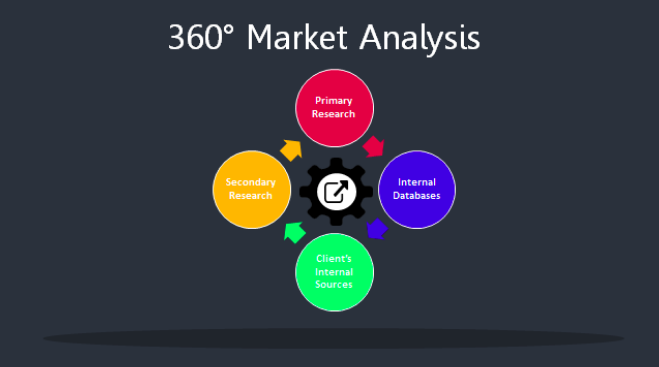
Secondary Research: The secondary data sources includes information published by the on-profit organizations such as World bank, WHO, company fillings, investor presentations, annual reports, national government documents, statistical databases, blogs, articles, white papers and others. From the annual report, we analyse a company’s revenue to understand the key segment and market share of that organization in a particular region. We analyse the company websites and adopt the product mapping technique which is important for deriving the segment revenue. In the product mapping method, we select and categorize the products offered by the companies catering to domain specific market, deduce the product revenue for each of the companies so as to get overall estimation of the market size. We also source data and analyses trends based on information received from supply side and demand side intermediaries in the value chain. The supply side denotes the data gathered from supplier, distributor, wholesaler and the demand side illustrates the data gathered from the end customers for respective market domain.
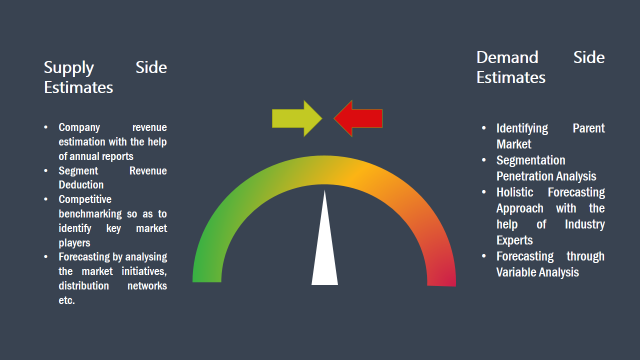
The supply side for a domain specific market is analysed by:
The demand side for the market is estimated through:
In-house Library: Apart from these third-party sources, we have our in-house library of qualitative and quantitative information. Our in-house database includes market data for various industry and domains. These data are updated on regular basis as per the changing market scenario. Our library includes, historic databases, internal audit reports and archives.
Sometimes there are instances where there is no metadata or raw data available for any domain specific market. For those cases, we use our expertise to forecast and estimate the market size in order to generate comprehensive data sets. Our analyst team adopt a robust research technique in order to produce the estimates:
Data Synthesis: This stage involves the analysis & mapping of all the information obtained from the previous step. It also involves in scrutinizing the data for any discrepancy observed while data gathering related to the market. The data is collected with consideration to the heterogeneity of sources. Robust scientific techniques are in place for synthesizing disparate data sets and provide the essential contextual information that can orient market strategies. The Brainy Insights has extensive experience in data synthesis where the data passes through various stages:
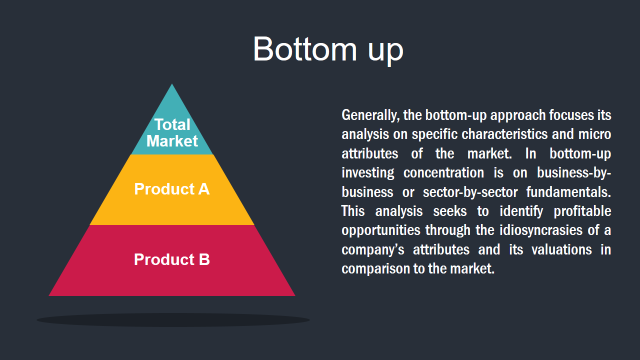
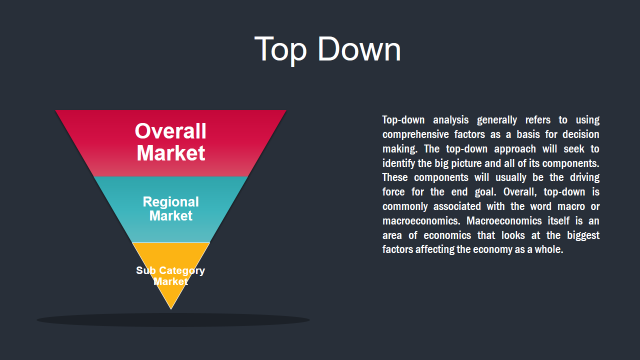
Market Deduction & Formulation: The final stage comprises of assigning data points at appropriate market spaces so as to deduce feasible conclusions. Analyst perspective & subject matter expert based holistic form of market sizing coupled with industry analysis also plays a crucial role in this stage.
This stage involves in finalization of the market size and numbers that we have collected from data integration step. With data interpolation, it is made sure that there is no gap in the market data. Successful trend analysis is done by our analysts using extrapolation techniques, which provide the best possible forecasts for the market.
Data Validation & Market Feedback: Validation is the most important step in the process. Validation & re-validation via an intricately designed process helps us finalize data-points to be used for final calculations.
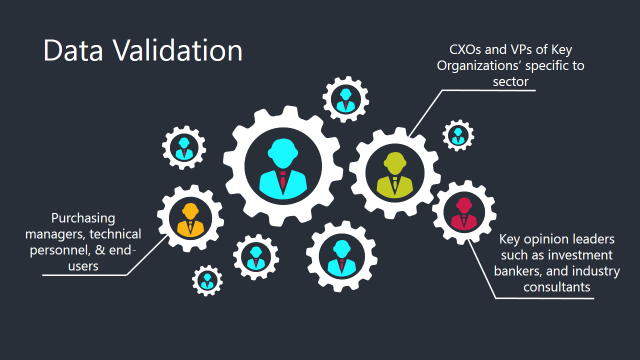
The Brainy Insights interacts with leading companies and experts of the concerned domain to develop the analyst team’s market understanding and expertise. It improves and substantiates every single data presented in the market reports. The data validation interview and discussion panels are typically composed of the most experienced industry members. The participants include, however, are not limited to:
Moreover, we always validate our data and findings through primary respondents from all the major regions we are working on.

















































Free Customization
Fortune 500 Clients
Free Yearly Update On Purchase Of Multi/Corporate License
Companies Served Till Date